
How Ohio Winters and Lake-Effect Snow Affect Your Roof
September 14, 2026
•
Written By
4 Seasons Construction & Roofing
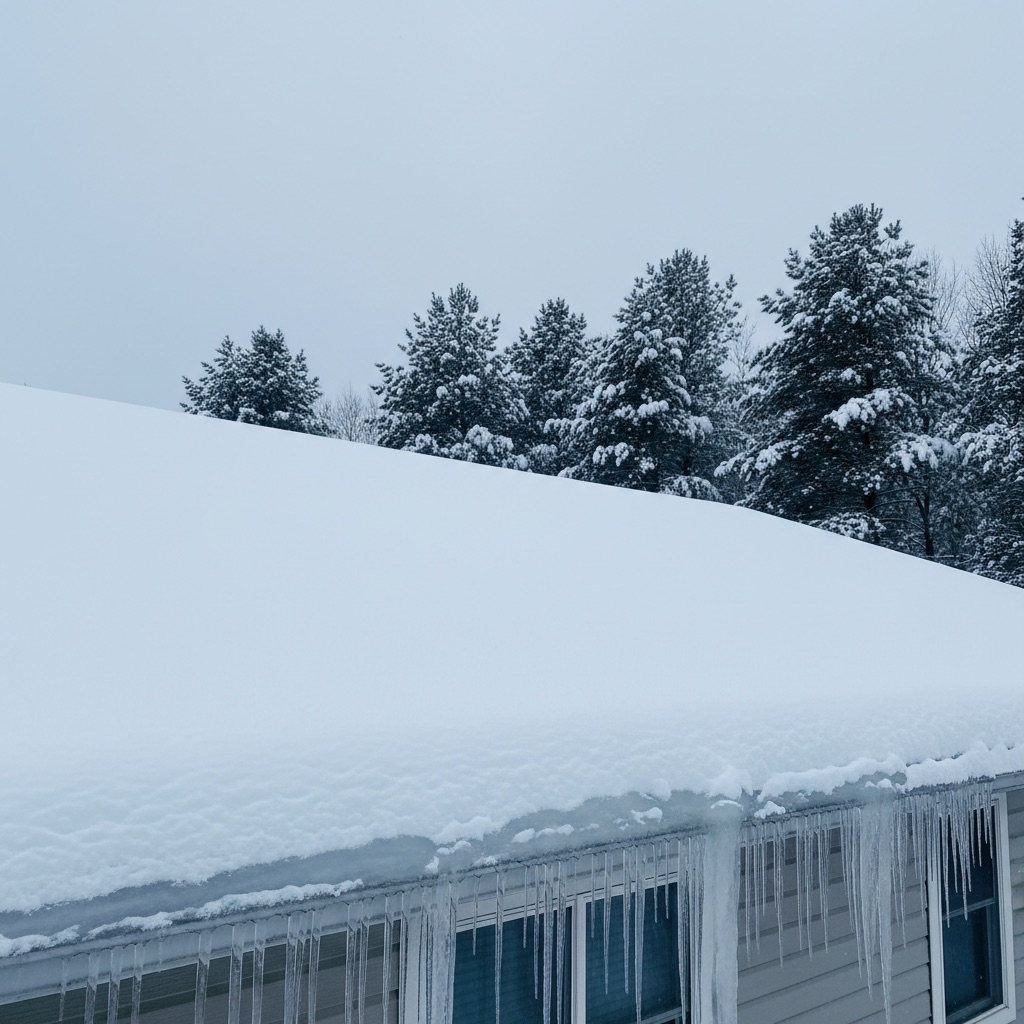
Lake-effect snow damages roofs mainly through weight, ice dams, and repeated freeze-thaw cycles that work water into small gaps until they become leaks. Homes in Geauga County face this more than most of Ohio because Chardon and the surrounding area sit squarely in the Snowbelt, where seasonal snowfall often tops 100 inches. Understanding how winter stresses a roof is the first step to keeping yours watertight.
Our name is 4 Seasons for a reason. We have spent nearly 40 years watching how Northeast Ohio winters test a roof, and we want homeowners to head into the cold season prepared rather than reacting to a leak in February.
Key Takeaways
- Geauga County's Snowbelt location brings heavier snowfall than most of Ohio, which puts extra load and moisture on roofs.
- Ice dams form when heat escapes the attic, melts snow, and lets it refreeze at the cold eaves, backing water under the shingles.
- Good attic insulation, ventilation, and ice-and-water shield are the strongest defenses against winter roof damage.
- A fall inspection catches small problems before snow and ice turn them into interior leaks.
Why is snow worse for roofs in Geauga County?
Geauga County lies in the heart of Ohio's Snowbelt, the band east of Cleveland where moisture off Lake Erie turns into heavy, persistent lake-effect snow. Chardon is often cited among the snowiest spots in the state, and that reputation is earned almost every winter.
More snowfall means more of everything that stresses a roof. Snow piles deeper and lingers longer, adding sustained weight. It melts and refreezes more often as temperatures swing, and each cycle is another chance for water to find a weak spot. A roof that would last decades in a milder climate has to work harder here.
This is why local building details matter so much. A roof installed for Snowbelt conditions in Novelty or Chardon is not the same as a bare-minimum roof, even if the shingles look identical from the ground.
What are ice dams, and how do they damage a roof?
An ice dam is a ridge of ice that forms at the edge of a roof and stops melting snow from draining. Water pools behind the dam, then works its way under the shingles and into the home. Ice dams are one of the most common causes of winter roof leaks in Northeast Ohio.
The root cause is usually heat loss. When warm air escapes into the attic, it heats the underside of the roof and melts the snow sitting on it. That meltwater runs down to the cold eaves and overhangs, where it refreezes. As the cycle repeats, the ice grows and traps more water behind it.
The damage rarely stops at the roof. Water that backs up under shingles can soak insulation, stain ceilings, and feed mold inside walls. A dam that looks like a harmless row of icicles can be quietly causing expensive interior damage.
How can homeowners prevent winter roof damage?
Most winter roof damage is preventable with the right combination of insulation, ventilation, and roofing details. These work together to keep the roof deck cold and evenly temperatured so snow melts uniformly instead of refreezing at the edges.
- Seal and insulate the attic. Stopping warm air from reaching the roof deck is the single most effective step against ice dams.
- Ventilate the roof properly. Balanced intake and exhaust ventilation keeps the deck cold and removes moisture that would otherwise condense.
- Install ice-and-water shield. This self-sealing membrane along the eaves and valleys blocks backed-up water from reaching the wood, and it is essential in the Snowbelt.
- Keep gutters clear. Clean, well-pitched gutters give meltwater somewhere to go instead of pooling and freezing at the roof edge.
- Address flashing and worn shingles in fall. Small gaps that shrug off summer rain become entry points once ice is forcing water uphill.
The U.S. Department of Energy points to attic air sealing and insulation as primary defenses against ice dams, because they attack the heat loss that starts the cycle. A roofer who understands Geauga County winters looks at the whole system, not just the shingles.
What are the signs of winter roof trouble?
Catching winter roof problems early saves money and protects your home's interior. Watch for these warning signs during and after cold spells.
- Thick icicles or a visible ridge of ice along the roof edge or in the gutters.
- Water stains on ceilings or along the tops of exterior walls.
- Damp or matted attic insulation, or daylight visible around roof penetrations.
- Sagging gutters pulling away from the fascia under the weight of ice.
If you notice any of these in your Chardon-area home, it is worth having the roof looked at rather than waiting for the next thaw. Small issues found in winter are far cheaper to fix than the interior damage they cause if ignored.
Why does a fall roof inspection matter?
A fall inspection is the best insurance against a winter emergency. Before the first heavy snow, a roofer can find and fix the small vulnerabilities that lake-effect snow will otherwise exploit, from lifted shingles to tired flashing and clogged gutters.
It is also far easier and safer to work on a dry roof in October than an icy one in January. Scheduling a roofing inspection in the fall gives you time to plan any repairs on your terms instead of scrambling during a storm. For families in Chardon, Novelty, and across Geauga County, that head start is the difference between a quiet winter and a leaking ceiling.
Frequently Asked Questions
How much snow can a roof safely hold?
Most modern residential roofs are built to handle significant snow load, but wet, dense snow and ice are much heavier than light powder. If you see sagging, hear creaking, or notice doors sticking, reduce the load safely or call a professional. When in doubt, have it inspected.
Should I remove snow from my roof myself?
Light snow near the edge can be cleared with a roof rake from the ground, but climbing onto an icy roof is dangerous and can damage shingles. For heavy accumulation or ice dams, it is safer to hire a professional who has the right equipment and training.
Are ice dams covered by homeowners insurance?
Many policies cover sudden interior water damage caused by ice dams, but coverage varies, and long-term neglect is often excluded. Review your policy and document any damage. Preventing ice dams in the first place is always cheaper than filing a claim.
When should I schedule a roof inspection in Northeast Ohio?
Early to mid fall is ideal, before the first heavy snow. This gives time to complete any repairs while the roof is dry and accessible, so your home is ready for the Snowbelt winter ahead.
Get Your Roof Winter-Ready
Do not wait for the first ice dam to find a weak spot. Schedule a fall roof inspection with 4 Seasons Construction & Roofing at (440) 286-1618 and head into winter with confidence.
Recent Articles
Residential Roofing
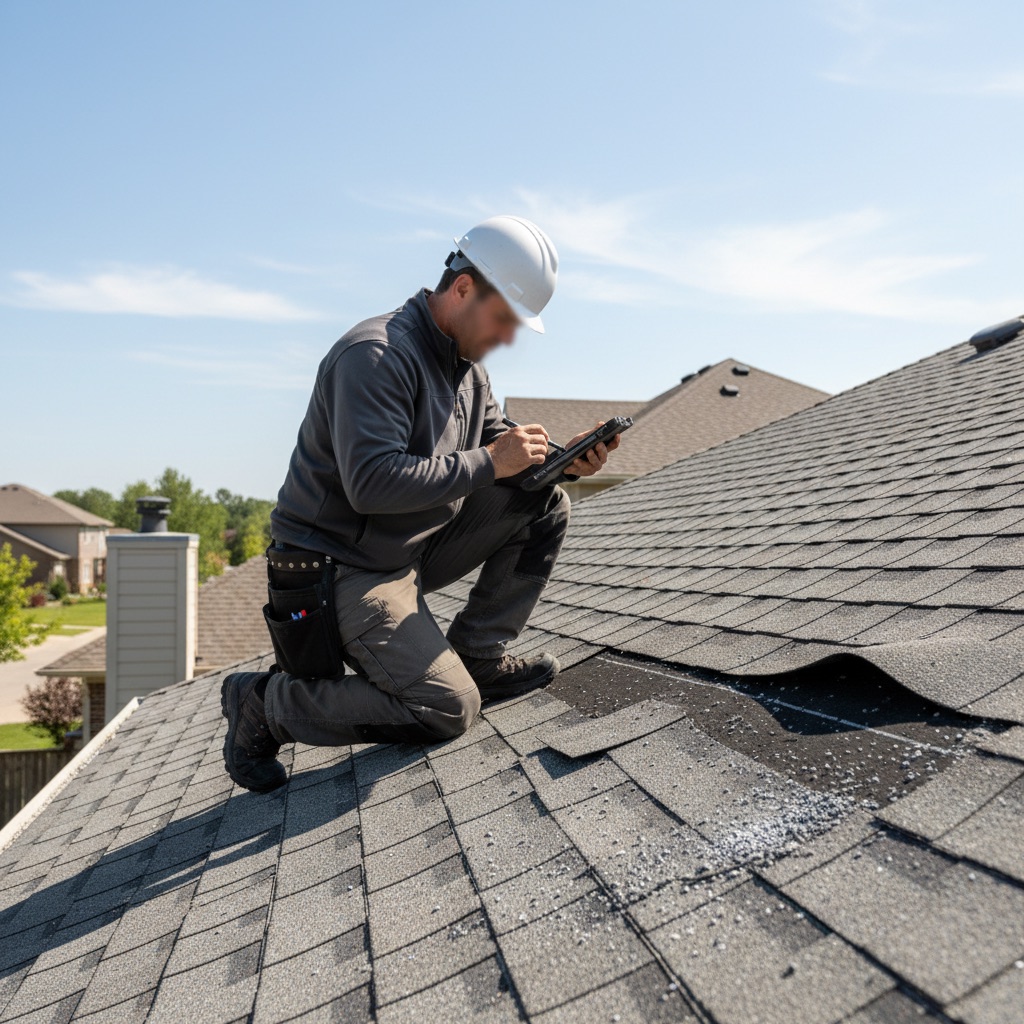
Roof Insurance Claims in Ohio: What Homeowners Should Expect
A calm, honest walkthrough of the roof insurance claim process for Northeast Ohio homeowners, from documenting damage to working with your adjuster and contractor.
September 14, 2026
Residential Roofing
How Ohio Winters and Lake-Effect Snow Affect Your Roof
A Geauga County homeowner's guide to how lake-effect snow, ice dams, and freeze-thaw cycles stress your roof, and the steps that keep it protected all winter.
September 14, 2026

How to Choose a Local Family Roofer in Northeast Ohio (and Spot a Storm Chaser)
How Northeast Ohio homeowners can tell a trustworthy local family roofer from a door-knocking storm chaser, and the questions that reveal the difference.
September 14, 2026
Residential Roofing
Cost to Replace a Roof in Geauga County: A 2026 Homeowner's Guide
A clear, honest look at what a roof replacement costs for Geauga County homeowners in 2026, the factors that change the price, and how to plan for the investment.
September 8, 2026