
How to Prepare Your Roof for Winter in Northeast Ohio
October 23, 2026
•
Written By
4 Seasons Construction & Roofing

To prepare your roof for winter in Northeast Ohio, you need to clear the gutters, check the shingles and flashing, confirm the attic is well insulated and ventilated, and have a professional look over anything you cannot safely reach from the ground. Doing this work in the fall, while the roof is dry and the weather is mild, is the single best way to avoid leaks, ice dams, and emergency repairs once the lake-effect snow starts piling up.
Here in the Geauga County snowbelt, winter is harder on roofs than almost anywhere else in the state. Heavy snow, repeated freeze and thaw cycles, and weeks of ice at the roof edge all work against shingles that were perfectly fine in July. A short fall roof maintenance checklist now saves you from the kind of damage that shows up as a stained ceiling in February. This guide walks through exactly what to check, when to do it, and when it is smart to call in a local crew.
Key Takeaways
- The best time to prepare your roof for winter is early to mid fall, before the first hard freeze and heavy snow arrive.
- Clogged gutters are a leading cause of ice dams, so cleaning them is one of the highest-value fall tasks you can do.
- A cold, well-ventilated attic keeps snow from melting unevenly and refreezing at the eaves, which is what starts most ice dams.
- A professional roof inspection before winter catches worn shingles, loose flashing, and hidden weak spots while they are still cheap to fix.
Why Does Winter Roof Prep Matter More in Northeast Ohio?
Northeast Ohio does not get an average winter, and your roof feels the difference. Lake, Geauga, and the eastern half of Cuyahoga counties sit squarely in the lake-effect snow belt, where moisture off Lake Erie turns into heavy, persistent snow. According to News 5 Cleveland, the heaviest yearly totals in Ohio are measured right here in Geauga County, and Chardon regularly exceeds 120 inches of snow in a season.
That snow load is only part of the story. The bigger threat is the constant swing above and below freezing. Each time snow melts and refreezes, water gets a new chance to work its way under shingles and into the roof deck. A roof that would never see trouble in a milder climate can develop an ice dam every single winter in Chardon, Chesterland, and the surrounding towns.
When you prepare your roof for winter here, you are not being overly cautious. You are matching your maintenance to a climate that is genuinely tough on roofing systems.
When Should You Prepare Your Roof for Winter?
Early to mid fall is the window you want. The goal is to finish your prep before the first hard freeze, which in Geauga County can arrive well before Thanksgiving. Warm, dry days make it safe to walk a roof and let any sealant or repair cure properly, two things that become difficult or impossible once ice and snow set in.
Waiting until a storm is in the forecast puts you at the back of a long line. Every reputable local roofer books up fast once homeowners start seeing icicles, so a small repair that would take a day in October can turn into a weeks-long wait in January. Scheduling a roof inspection before winter, rather than during it, keeps you in control of the timeline and the cost.
If your roof is older or you skipped maintenance last year, give yourself extra lead time. Older shingles and tired flashing are exactly the spots that fail first under snow and ice, and those are better addressed on a calm fall afternoon than during a leak.
What Belongs on Your Fall Roof Maintenance Checklist?
A good fall roof maintenance checklist covers the whole system, not just the shingles you can see from the driveway. Work through these steps in order, and flag anything you cannot inspect safely for a professional.
- Inspect the shingles. Look for cracked, curled, loose, or missing shingles, plus any bald spots where the protective granules have worn away. These are the easiest paths for water once ice forces it uphill.
- Check all flashing. Summer heat expands and loosens the metal flashing around chimneys, vents, and skylights. Make sure it is tight and sealed, because even a small gap becomes a winter leak.
- Clean the gutters and downspouts. Remove every bit of leaves and debris so meltwater has a clear path off the roof instead of pooling and freezing at the edge.
- Trim overhanging branches. Cut back limbs within about six feet of the roofline so ice-laden branches cannot snap and puncture the surface.
- Look at the attic. Check for daylight, water stains, damp insulation, or thin spots, all of which signal problems that will get worse under a heavy snow load.
- Test seals and caulking. Inspect the rubber boots around plumbing vents and any caulked joints, and replace anything cracked or brittle before it lets water in.
- Schedule a professional inspection. Book a trained set of eyes to confirm the roof is ready and to reach the areas you should not climb to yourself.
None of these tasks are complicated on their own. Done together, they are how you winterize your roof so a Northeast Ohio winter passes without a single drip inside.
How Do Gutters and Downspouts Affect Your Roof in Winter?
Clean gutters are one of your best defenses against winter roof damage. When gutters clog with leaves, meltwater has nowhere to drain, so it backs up, sits at the roof edge, and freezes into the ridge of ice that becomes an ice dam. That trapped water then pushes back up under the shingles and into your home.
Clearing the gutters before the first freeze breaks that cycle at the source. While you are at it, confirm the downspouts carry water well away from the foundation and that every section is pitched correctly and firmly attached, since the weight of ice can tear a loose gutter right off the fascia.
If your gutters sag, leak at the seams, or pull away from the house every winter, a seasonal cleaning will only get you so far. Upgrading to properly sized, well-pitched seamless gutters gives meltwater a reliable path off the roof and takes a major ice-dam risk off the table for good.
Can Attic Insulation and Ventilation Really Prevent Ice Dams?
Yes, and it is the part of winter prep most homeowners overlook. Ice dams start on the inside of the house as much as the outside. When warm air leaks into the attic, it heats the roof deck, melts the snow on top, and sends water down to the cold eaves where it refreezes. A cold, evenly ventilated attic keeps the whole roof the same temperature so snow melts uniformly instead of pooling and freezing at the edge.
Two moves do most of the work. First, seal and insulate the attic floor so household heat stays in your living space and out of the roof. Second, make sure intake and exhaust vents are balanced and clear, so cold air can move freely under the deck and carry moisture away.
This is the same principle behind how ice dams form on Northeast Ohio roofs, and it is why insulation and ventilation belong on your fall checklist alongside the shingles and gutters. Fix the attic in October and you remove the root cause before the snow ever falls.
Should You Schedule a Professional Roof Inspection Before Winter?
A professional roof inspection before winter is the step that ties the whole checklist together. From the ground, a roof can look perfectly fine while a lifted shingle, a hairline crack in the flashing, or a soft spot in the deck waits to fail under the first heavy snow. An experienced local crew checks the full system and tells you exactly where your home is vulnerable while repairs are still small and affordable.
There is also a safety reason to leave this one to the pros. Climbing a roof is risky in dry weather and genuinely dangerous once frost sets in, so the inspection and any edge-of-roof work are jobs worth handing off. A local team that knows the snowbelt also knows what to look for that a general checklist might miss.
At 4 Seasons Construction & Roofing, we have been caring for homes in Geauga County and the surrounding communities since 1986, and winter readiness is part of what we do every fall. Our roofing services cover inspection, repair, and replacement for homeowners in Chesterland, Bainbridge, Chagrin Falls, and the rest of the area, so your roof heads into winter ready for whatever the lake sends our way.
Frequently Asked Questions About Preparing Your Roof for Winter in Northeast Ohio
How do I prepare my roof for winter?
Clean the gutters and downspouts, inspect the shingles and flashing for damage, trim back overhanging branches, and confirm your attic is well insulated and ventilated. Then have a professional inspect anything you cannot safely reach. Doing this in early fall, while the roof is dry, gives you time to fix problems before the first freeze.
When is the best time to winterize your roof in Geauga County?
Early to mid fall is ideal, before the first hard freeze and heavy lake-effect snow. That timing lets sealant cure, keeps the roof safe to walk, and puts you ahead of the winter rush when local roofers book up quickly.
Does cleaning my gutters actually prevent ice dams?
It helps a great deal. Clogged gutters trap meltwater at the roof edge where it refreezes and starts an ice dam. Clean, well-draining gutters give that water a path off the roof, which removes one of the most common triggers for ice dams in our climate.
How much does a fall roof inspection cost?
Pricing varies with the size and complexity of your roof, and many local contractors offer a free or low-cost inspection as part of their fall service. The inspection almost always costs far less than repairing the water damage a missed problem can cause over winter, so it pays for itself.
Can I prepare my roof for winter myself?
You can handle ground-level tasks like clearing gutters and trimming branches, and you can check the attic from inside. Walking the roof, sealing flashing, and any repair work are safer left to professionals, especially once the weather turns cold and the surface gets slick.
Get Your Roof Winter-Ready With 4 Seasons
Do not wait for the first leak to find out your roof was not ready. Schedule your free fall roof inspection with 4 Seasons Construction & Roofing today and head into winter knowing your home is protected.
Recent Articles
Residential Roofing
How to Prepare Your Roof for Winter in Northeast Ohio
A fall roof maintenance checklist for Northeast Ohio homeowners: when to prep, what to inspect, how gutters and attic airflow stop ice dams, and when to call a pro before the snow flies.
October 23, 2026
Residential Roofing
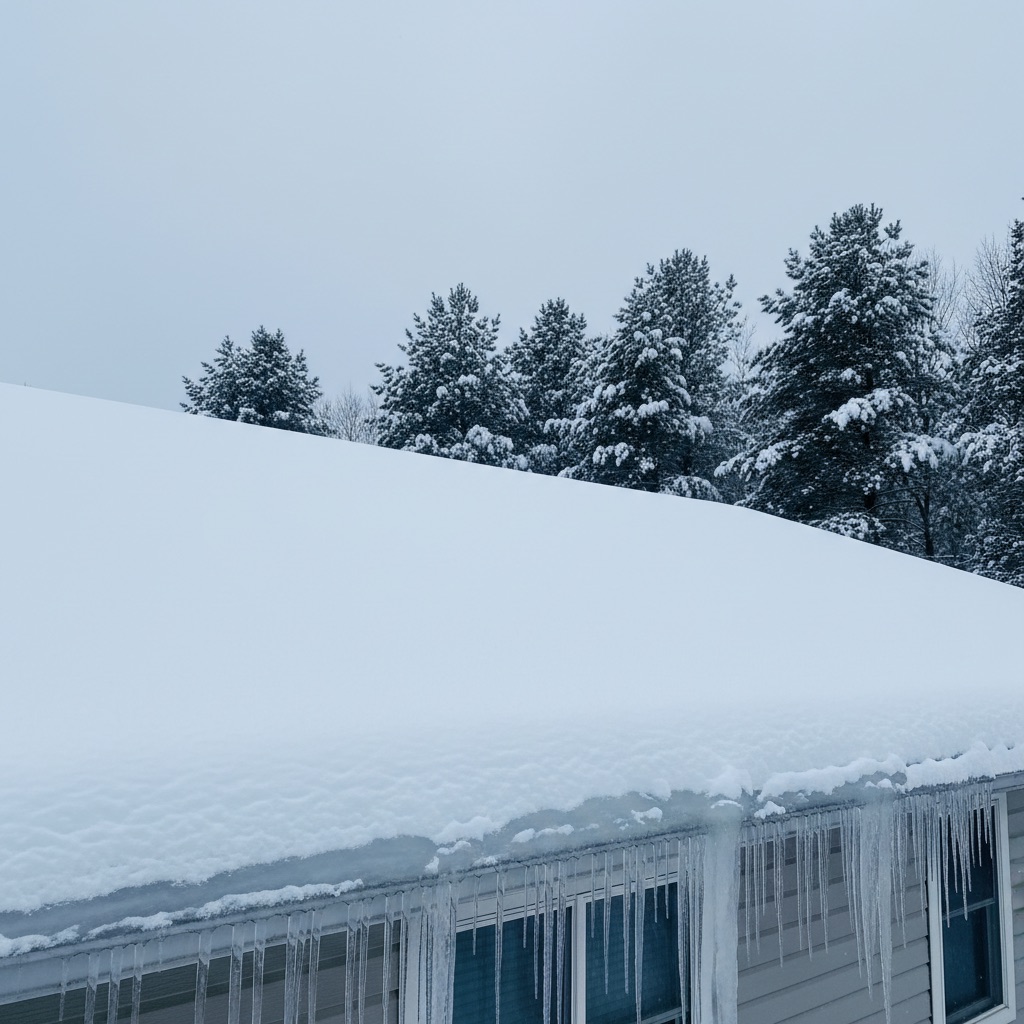
How Ice Dams Form on Northeast Ohio Roofs (and How to Stop the Damage)
How ice dams form on Northeast Ohio and Geauga County roofs, the hidden damage they cause, and how safe steam removal plus better insulation keep your home dry all winter.
September 23, 2026
Residential Roofing
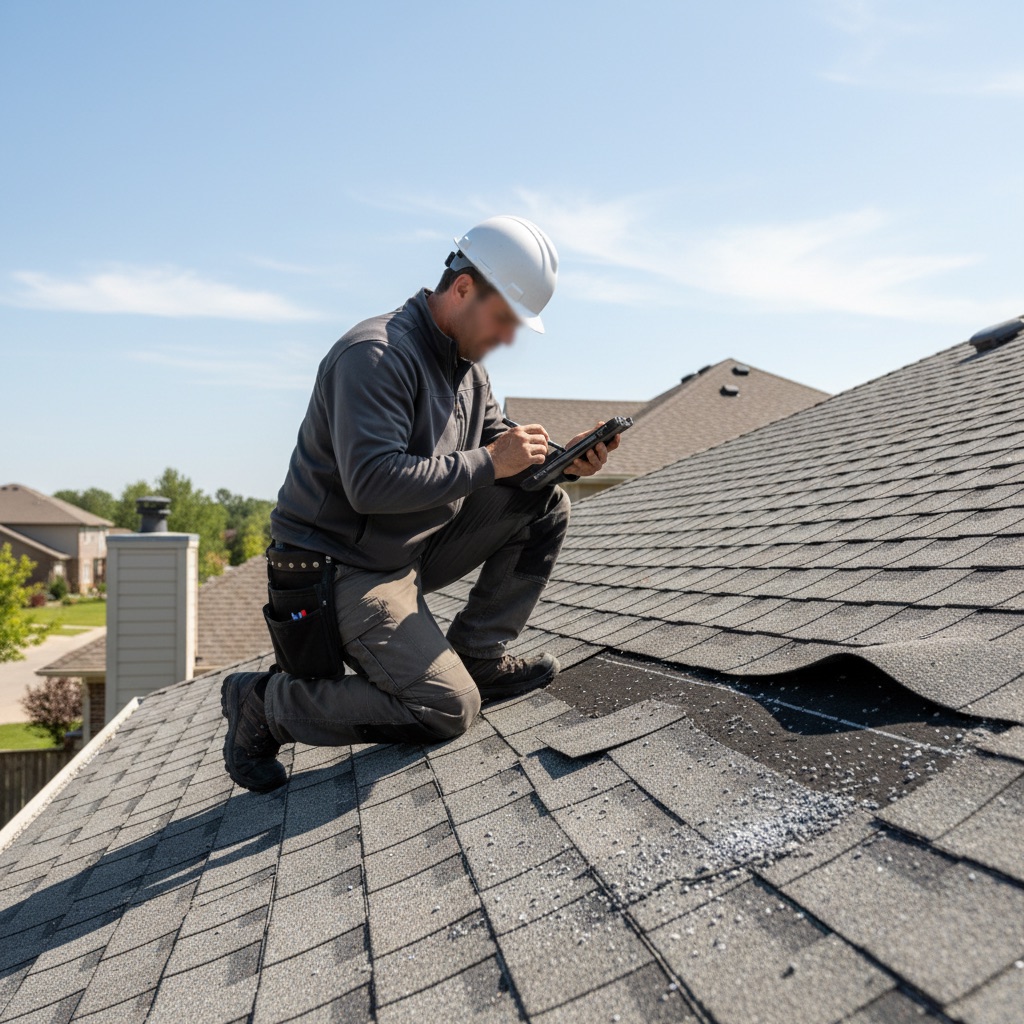
Roof Insurance Claims in Ohio: What Homeowners Should Expect
A calm, honest walkthrough of the roof insurance claim process for Northeast Ohio homeowners, from documenting damage to working with your adjuster and contractor.
September 14, 2026
Residential Roofing
How Ohio Winters and Lake-Effect Snow Affect Your Roof
A Geauga County homeowner's guide to how lake-effect snow, ice dams, and freeze-thaw cycles stress your roof, and the steps that keep it protected all winter.
September 14, 2026