
How Much Snow Can Your Roof Safely Hold? A Northeast Ohio Winter Guide
November 6, 2026
•
Written By
4 Seasons Construction & Roofing

How much snow can a roof hold before it becomes a problem? In Geauga County, homes are designed to carry 30 pounds per square foot of snow, which works out to roughly a foot and a half of wet, heavy snow or several feet of light, fluffy powder. The real answer for your home depends on how dense the snow is, how old the roof is, and whether ice and drifts are piling extra weight in a few spots.
That range is wide on purpose. Here in the Northeast Ohio snowbelt, a single lake-effect storm can drop light powder one day and soak it with rain or sleet the next, and the weight on your roof can double without the snow looking any deeper. This guide explains what your roof is built for, which warning signs matter, and how to stay safe without ever climbing onto a slippery roof.
Key Takeaways
- The Geauga County Building Department lists a 30 pounds per square foot design snow load for both ground and roof, with no reduction allowed.
- A foot of fresh snow can weigh anywhere from about 3 to 21 pounds per square foot, so wet snow reaches a roof's design limit far faster than powder.
- Ice, frozen gutters, and drifts behind dormers and chimneys concentrate weight in small areas, which is where most snow-related roof trouble starts.
- Sagging ceilings, new cracks, creaking, and interior doors that suddenly stick are signs to stay out of the area and call a professional right away.
How Much Snow Can a Roof Hold in Geauga County?
A roof built to today's local code in Geauga County is designed to hold at least 30 pounds of snow per square foot. The Geauga County Building Department's current code sheet lists a 30 psf ground snow load and a 30 psf roof snow load with no reduction, and residential work here is reviewed under the Residential Code of Ohio. In plain terms, every square foot of your roof should be able to carry 30 pounds of snow without structural trouble.
Those figures trace back to national snow load maps in the ASCE 7 standard, which you can check for any address with the free ASCE Hazard Tool. For permits, the county figure governs.
Two caveats apply. First, that rating describes a healthy roof built to current standards, so an older home or a roof with rotted decking or cracked rafters may carry noticeably less. Second, a design load is a safety limit. A roof sitting near it for weeks is under real stress across a long Chardon winter.
How Much Does Snow Actually Weigh on Your Roof?
Snow weight varies far more than most homeowners expect. According to FEMA guidance quoted by FOX Weather, one foot of fresh snow weighs about 3 pounds per square foot when it is light and dry, and up to 21 pounds per square foot when it is wet and heavy. Packed snow and ice weigh more still.
Here is a simple way to think about it against a 30 psf design load:
- Light, dry powder: roughly 3 psf per foot, so a healthy roof can hold several feet of it.
- Settled or partly melted snow: somewhere between those two extremes, getting heavier every time it thaws and refreezes.
- Wet, heavy snow: up to about 21 psf per foot, so roughly 18 inches can bring a roof close to its rated capacity.
- Ice: almost as dense as water, so every inch of solid ice adds close to 5 psf. Four inches of ice can weigh about as much as a full foot of wet, heavy snow.
So when neighbors ask how much snow can a roof hold, the honest answer is that depth alone tells you very little. Two feet of January powder on a Kirtland roof might be no cause for concern, while one foot of snow that has been rained on in March could be pushing the limit. Our guide to how lake-effect snow damages a roof covers the freeze-thaw side of this in more detail.
Why Is Roof Snow Load Often Higher Than It Looks?
Roof snow load builds in layers, and the layers you cannot see are usually the heaviest. Each storm compresses the snow below it, and every thaw and refreeze turns the pack into denser crust.
Our region gets more chances for that layering than almost anywhere in the state. The National Weather Service in Cleveland has noted that Geauga County recorded the highest snowfall totals in Ohio during a major lake-effect event, a pattern that repeats most winters on the hills east of Cleveland.
Wind is the other hidden factor. Lake-effect squalls pile snow into drifts in valleys, behind chimneys, against dormers, and where a lower roof meets a taller wall. FEMA describes these uneven, unbalanced loads as riskier than snow spread evenly across a roof, because a single drift can pile far more weight onto one section of framing than the rest of the roof is carrying.
Can Frozen Gutters Add Dangerous Weight to Your Roof?
Yes. Frozen gutters are an overlooked source of extra weight on Northeast Ohio homes. When meltwater freezes inside a gutter, it can fill with solid ice that hangs directly on the fascia board and roof edge.
A gutter packed with ice can pull its hangers loose, bend forward, and even tear the fascia away from the rafter tails. Ice that backs up onto the lower shingles adds still more weight right at the eaves.
Frozen gutters also help start ice dams, which force meltwater under shingles. If ice is building at the roof edge, we provide gentle, steam-based ice dam removal for Geauga County homes that clears the weight without hacking at your shingles.
The best long-term fix is gutters that drain properly in the first place. Properly sized, well-pitched seamless gutter installation and replacement keeps water moving off the roof instead of freezing in place, which removes one of the most common sources of winter roof damage.
What Are the Warning Signs Your Roof Is Carrying Too Much Snow?
Your house usually tells you when the snow on top is too heavy. After any big storm, look and listen for these signs on the top floor and in the attic:
- A sagging ridge line or a roof plane that looks wavy or dipped from the yard
- Creaking, popping, or cracking sounds from the attic or ceiling
- Interior doors or windows on upper floors that suddenly stick or will not latch
- New cracks in drywall or plaster, especially near the ceiling or above door frames
- Gutters pulling away from the house or fascia boards bending outward
If you notice any of these, keep your family out of the rooms below and stay off the roof. FEMA recommends having a professional evaluate a building that shows these signs after heavy snow. Our emergency roof repair team can assess the structure, relieve the load safely, and make temporary repairs so your home stays protected until permanent work is done.
What Should You Do When Heavy Snow Piles Up?
Most heavy snow events do not require anything dramatic, though rain or sleet falling on an existing snowpack is when the weight climbs fastest. A calm, safe approach protects both your family and your roof.
- Stay off the roof. Snow-covered shingles are extremely slippery, and a fall from a roof can be life-changing. No snow load is worth that risk.
- Use a roof rake only from the ground. Pull snow off the lower edge of a single-story roof, leaving a thin layer so the blade never scrapes shingles.
- Skip the shortcuts. Do not chip ice with hammers or shovels, and do not throw rock salt on the roof. Both can damage shingles, flashing, and gutters.
- Call a professional for anything beyond the edge. Upper roofs, steep pitches, drifts, and solid ice are jobs for an insured crew with the right equipment.
Which Northeast Ohio Roofs Are Most at Risk?
Some roofs reach their limit sooner than others. These are the ones worth watching first:
- Low-slope and flat sections. Porch roofs, sunroom additions, and flat garage roofs shed very little snow on their own, so it simply accumulates all winter.
- Older homes. Many beautiful older homes in established villages like Gates Mills were framed long before current snow load rules. Working with an experienced roofing contractor in Gates Mills who knows those older structures helps you understand what your particular roof can handle.
- Shaded and wooded lots. Snow under tall trees melts slowly and collects falling ice and branches. Homeowners on wooded lots can find roofing services for Kirtland homes and wooded properties built around that extra shade and debris.
- Roofs with past damage. Soft decking or a history of leaks lowers how much weight a roof can carry, and heavy snow often turns old weak spots into new winter roof damage.
How Does 4 Seasons Help Protect Your Roof Through Winter?
We have been caring for homes across Geauga County and the eastern suburbs since 1986, and our family treats every home like our own. When snow load is the concern, our process follows the same five steps we use on every project, adapted for winter:
- Contact. You tell us what you are seeing, from a sagging spot to a stuck door or deep snow on a low roof.
- Inspection. We check the roof, gutters, and attic for drifts, ice buildup, stressed framing, and leaks.
- Proposal. We explain what we found in plain language and recommend only what your home needs.
- Scheduling. We set a time that works for your family and prioritize anything that affects safety.
- Installation. Our crew clears weight, repairs damaged sections, or upgrades gutters, then leaves your property clean.
If you are still asking yourself how much snow can a roof hold on your particular home, an early winter visit is the best time to find out, before a full season of snow tests any weak spots.
Frequently Asked Questions About Roof Snow Load in Northeast Ohio
How much does a foot of snow weigh on a roof?
It depends on the type of snow. FEMA guidance puts one foot of fresh snow at about 3 pounds per square foot when light and dry, and up to about 21 pounds per square foot when wet and heavy. Snow that has been rained on is a bigger concern than a deep layer of powder.
What snow load are homes in Geauga County designed for?
The Geauga County Building Department lists a 30 pounds per square foot ground snow load and a 30 pounds per square foot roof snow load with no reduction. Homes built to that standard should carry 30 pounds on every square foot of roof. Older homes built under earlier rules may be rated lower.
Can frozen gutters pull away from the house?
Yes. A gutter packed with ice can become heavy enough to bend its hangers, pull away from the fascia, or tear the fascia board loose. Clean, properly pitched gutters help meltwater drain instead of freezing inside them.
Are porch and garage roofs more likely to struggle under heavy snow?
Often, yes. Low-slope porch, sunroom, and garage roofs shed very little snow, so it builds up all season. Some were also framed more lightly than the main house, so have them checked if you see sagging.
Does an older roof hold less snow than a new one?
It can. Older roofs are more likely to have softened decking, moisture damage, or framing built to earlier standards. A professional inspection is the most reliable way to know what your roof can safely carry.
Keep Your Family Safe This Winter
If heavy snow has you worried about your roof, or you simply want peace of mind before the next lake-effect storm, schedule your family's home inspection with 4 Seasons Construction & Roofing today.
Recent Articles
Residential Roofing
How Much Snow Can Your Roof Safely Hold? A Northeast Ohio Winter Guide
How much weight your roof is built to carry in Geauga County, how quickly wet snow, ice, and frozen gutters add up, and the warning signs that mean it is time to call a pro.
November 6, 2026
Residential Roofing
How to Prepare Your Roof for Winter in Northeast Ohio
A fall roof maintenance checklist for Northeast Ohio homeowners: when to prep, what to inspect, how gutters and attic airflow stop ice dams, and when to call a pro before the snow flies.
October 23, 2026
Residential Roofing
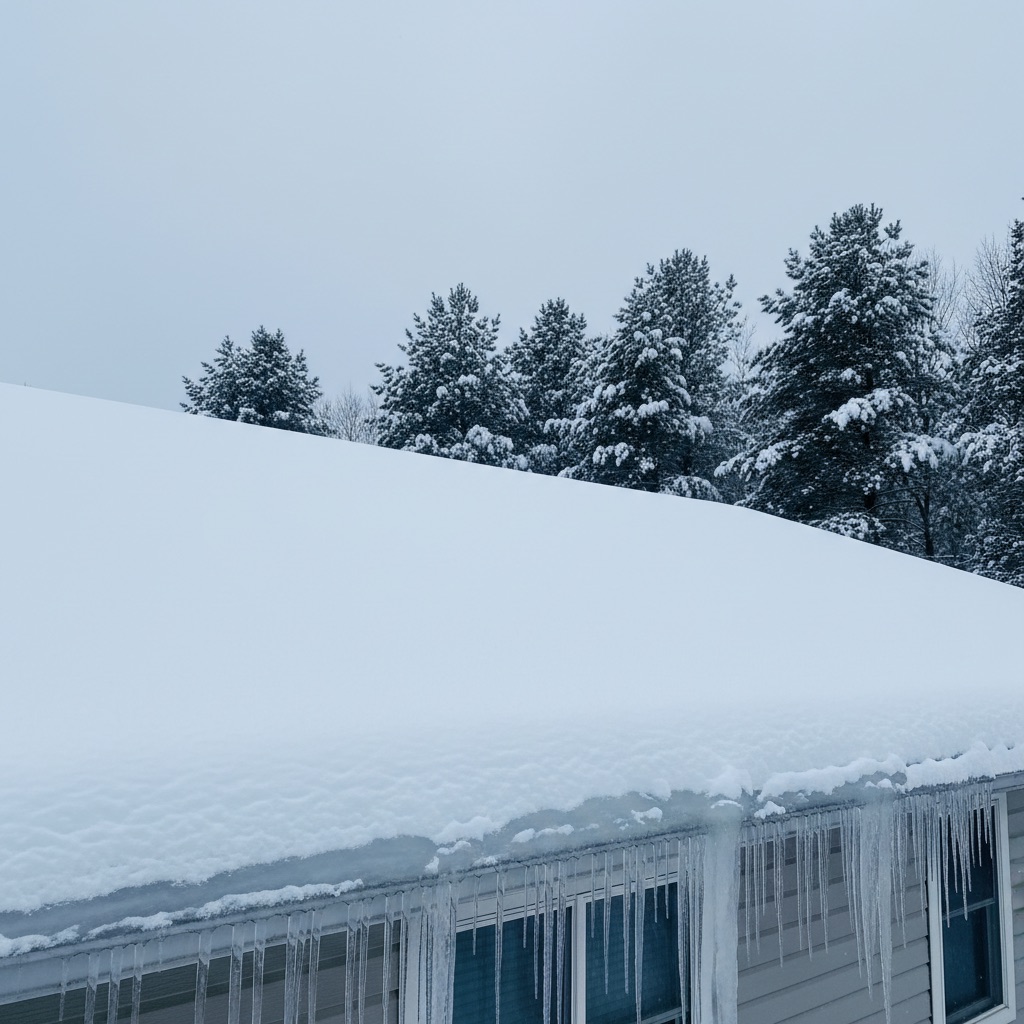
How Ice Dams Form on Northeast Ohio Roofs (and How to Stop the Damage)
How ice dams form on Northeast Ohio and Geauga County roofs, the hidden damage they cause, and how safe steam removal plus better insulation keep your home dry all winter.
September 23, 2026
Residential Roofing
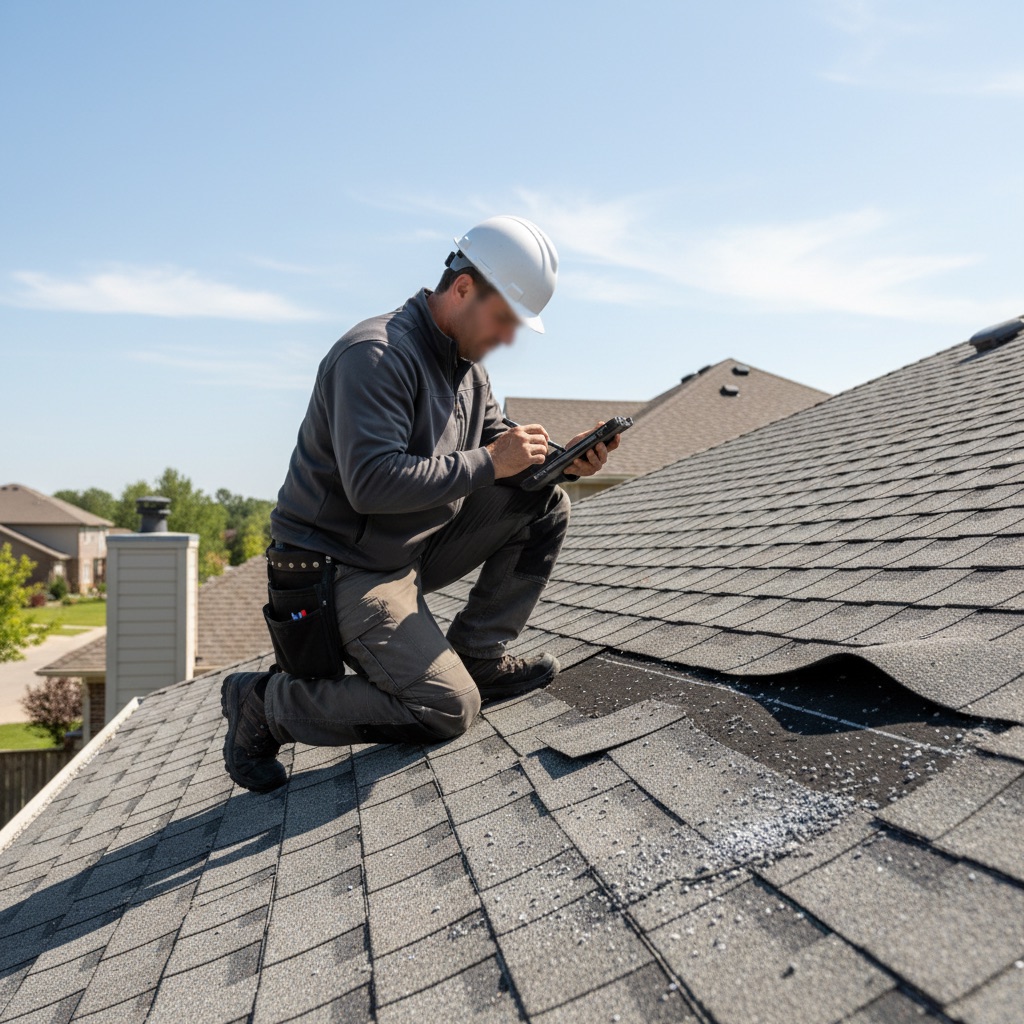
Roof Insurance Claims in Ohio: What Homeowners Should Expect
A calm, honest walkthrough of the roof insurance claim process for Northeast Ohio homeowners, from documenting damage to working with your adjuster and contractor.
September 14, 2026